
Here are listing for Hypervisor kernal based
Hyper-V
Microsoft Hyper-V is a built-in hypervisor for Windows (Pro, Enterprise, Education) and Windows Server that lets you create and run virtual machines (VMs). It allows multiple operating systems to run on a single physical machine, making it useful for testing, development, or enterprise virtualization. As a Type 1 hypervisor, Hyper-V runs directly on the hardware, offering features like live migration, high availability, and network isolation. You can manage it using various built-in tools.
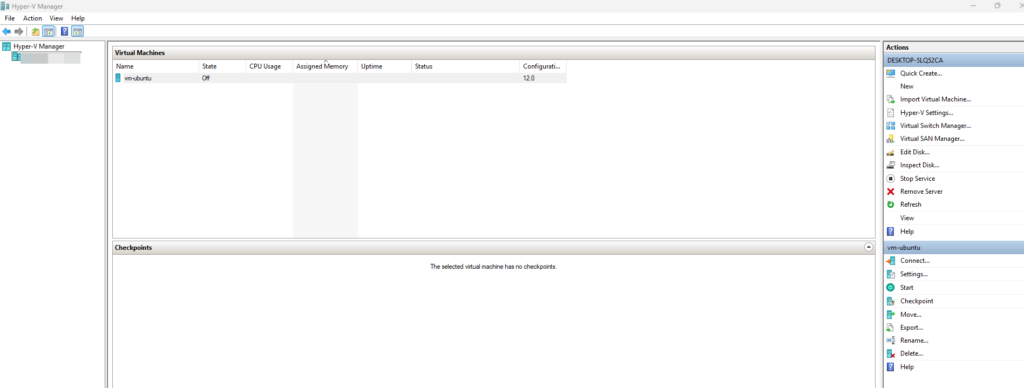
Many users have migrated to Nutanix or VMware, but these platforms are still widely used by companies to create virtual machines, such as for Active Directory. I previously created AD1 and AD2 on the same server to fulfil customer need based on provided hardware.
Red Hat Enterprise Linux (RHEL)
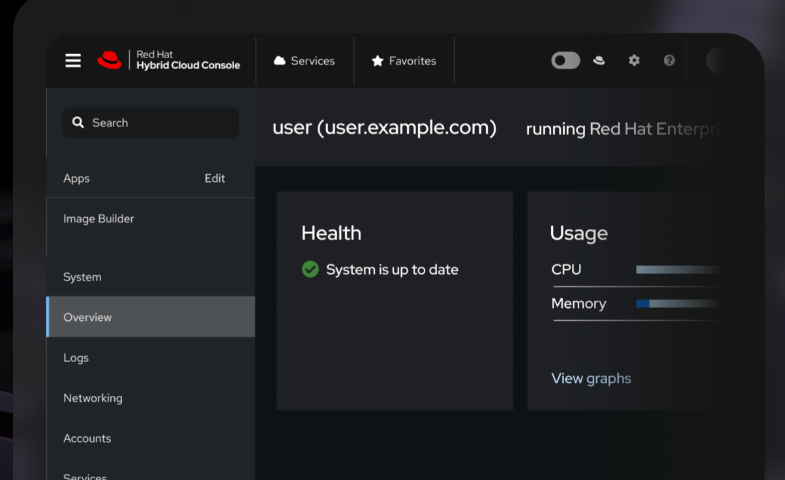
Red Hat Enterprise Linux (RHEL) is a commercial Linux distribution developed by Red Hat. It’s designed for enterprises and organizations that need a stable, secure, and supported operating system for servers, workstations, and cloud environments. RHEL provides long-term support, regular security updates, and certified software packages, making it ideal for production environments, critical applications, and enterprise workloads.
I am not very familiar with Red Hat, but I am aware that some users are still renewing their licenses, and certain licenses include direct support from Red Hat.